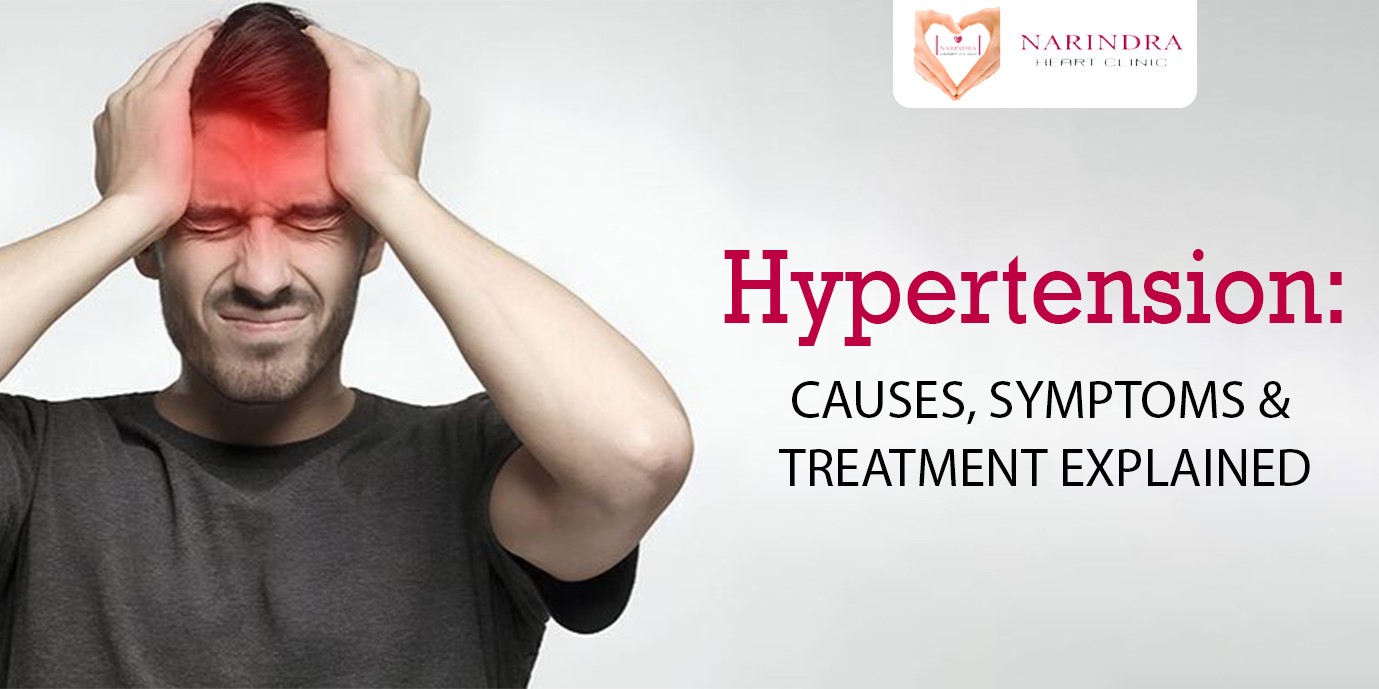
Hypertension: Causes, Symptoms & Treatment Explained
Hypertension,commonly known as high blood pressure, is a widespread health condition that affects millions of people worldwide. It is often called the “silent killer” because it usually develops without noticeable symptoms but can lead to serious complications if left untreated.
What is Hypertension?
Hypertension occurs when the force of blood against the artery walls remains consistently too high. Blood pressure is measured in two numbers:
- Systolic pressure (upper number): Pressure when the heart beats
- Diastolic pressure (lower number): Pressure when the heart rests
A normal reading is around120/80 mmHg, while readings consistently above 140/90 mmHg are considered hypertensive.
Causes of Hypertension
Hypertension can be categorized into two main types:
1. Primary (Essential) Hypertension
This is the most common type and develops gradually over time. There is no single identifiable cause, but several factors contribute, such as:
- Genetics (family history)
- Aging
- Poor diet, especially high salt intake
- Lack of physical activity
- Obesity
- Stress
2. Secondary Hypertension
This type occurs due to underlying medical conditions or medications. Common causes include:
- Kidney disease
- Hormonal disorders
- Thyroid problems
- Certain medications (like birth control pills)
Symptoms of Hypertension
One of the biggest challenges with hypertension is that it often shows no clear symptoms. However, in some cases, especially when blood pressure is very high, people may experience:
- Headaches
- Dizziness
- Shortness of breath
- Chest pain
- Blurred vision
- Nosebleeds
Because symptoms are not always present, regular blood pressure checks are essential.
Risk Factors
Certain lifestyle and health factors increase the risk of developing hypertension:
- Smoking and alcohol consumption
- High-sodium diet
- Sedentary lifestyle
- Chronic stress
- Diabetes
- High cholesterol
Complications of Untreated Hypertension
If left unmanaged, hypertension can lead to serious health problems, including:
- Heart disease and heart attack
- Stroke
- Kidney damage
- Vision loss
- Aneurysm
Early detection and management are crucial to prevent these complications.
Diagnosis
Hypertension is diagnosed through regular blood pressure monitoring. Doctors may recommend:
- Repeated blood pressure readings
- Blood tests
- Urine tests
- ECG or heart evaluation
Monitoring helps determine the severity and guide treatment.
Treatment Options
Managing hypertension usually involves a combination of lifestyle changes and medications.
1. Lifestyle Modifications
- Reduce salt intake
- Eat a balanced diet (rich in fruits, vegetables, whole grains)
- Exercise regularly (at least 30 minutes daily)
- Maintain a healthy weight
- Quit smoking
- Limit alcohol consumption
- Manage stress through meditation or yoga
2. Medications
Doctors may prescribe medications based on individual needs, such as:
- Diuretics
- ACE inhibitors
- Beta-blockers
- Calcium channel blockers
It is important to take medications exactly as prescribed.
Prevention Tips
Preventing hypertension is often possible with healthy lifestyle habits:
- Regular health check-ups
- Staying physically active
- Eating a low-sodium diet
- Maintaining a healthy BMI
- Managing stress effectively
Conclusion
Hypertension is a serious but manageable condition. Since it often shows no symptoms, regular screening is essential. With the right lifestyle choices and medical care, individuals can control their blood pressure and lead a healthy life. Early awareness, timely diagnosis, and proper treatment are the key to preventing long-term complications.